How to Buy, Sell and Store BTC
Diving into the world of Bitcoin can feel like venturing into uncharted territory. Unfamiliar terms, complex security measures, and volatile markets might make you hesitate. However, with the right knowledge and a step-by-step approach, getting started with Bitcoin can be an empowering and rewarding experience, as you’ll be an active participant in the world of decentralized finance.
This guide breaks down the process into manageable steps, showing you how to securely buy, sell, store, and even spend your first BTC as a beginner.
Where to buy and sell BTC
There are two main ways to buy and sell i.e. trade Bitcoin, namely through crypto exchanges and P2P marketplaces. Exchanges such as CoinW act as middlemen, allowing you to buy Bitcoin with fiat like USD using your credit card, or more commonly with stablecoins such as USDT. To use an exchange, you'll need to create an account and verify your identity. Once verified, you can link your bank account or debit card to buy Bitcoin.
Buy BTC easily with low fees at CoinW.
P2P marketplaces connect buyers and sellers directly, enabling you to purchase Bitcoin with cash or other payment methods. Popular options include LocalBitcoins and Paxful. Be cautious when using peer-to-peer marketplaces, however, as there's a higher risk of fraud. Always check the seller's reputation before making a transaction. In short, if you’re just starting out, best to stick with an established exchange.
How to buy and sell BTC
Once you have signed up for an account with a crypto exchange, there are typically two methods to buy Bitcoin (BTC):
1) Buying BTC directly with fiat using a credit or debit card. Be very wary of credit card charges with this method.
2) Buying BTC by converting your fiat currency into a stablecoin, such as USDT (Tether) or USDC (USD Coin), before purchasing Bitcoin. This method involves:
- Depositing fiat: Depositing fiat into your exchange account.
- Converting to stablecoin: Converting your fiat into a stablecoin
- Buying BTC: Using the stablecoin to buy Bitcoin
The benefit of this second method is that it generally incurs lower transaction fees than buying BTC directly with a credit/debit card. More importantly, it allows you to sell your BTC more easily, as converting one crypto into another (BTC to USDT) is almost instant, and you can re-convert the USDT back into fiat at a stable 1:1 exchange rate.
In summary, while buying Bitcoin directly with fiat is straightforward, converting to stablecoins first offers cost savings and flexibility when you’re selling your BTC.
How to store your BTC
There are two main ways investors store BTC–through custodial and non-custodial options. The key difference boils down to who controls the private keys to your BTC.
- Custodial storage: In this scenario, a third-party service, like a cryptocurrency exchange, holds your private keys for you. It's similar to keeping your money in a bank. This offers convenience and often comes with user-friendly interfaces and recovery options if you lose your login credentials. However, you relinquish control over your BTC to the custodian.
- Non-custodial storage: Here, you take full responsibility for your private keys. These keys are like passwords that grant access to your BTC. Non-custodial wallets come in various forms, from software wallets on your phone to hardware wallets that resemble USB drives. With non-custodial storage, you have complete control over your BTC,but it also means you're solely responsible for safeguarding your private keys and ensuring they aren't lost or stolen.
If you go for the non-custodial option, you will then choose between two main types of Bitcoin wallets:
- Software wallets: These are digital wallets you install on your computer or phone. They're convenient but can be vulnerable to hacking if your device is compromised. Popular Bitcoin-only software wallets include the Blockstream Green Wallet and Blue Wallet.
- Hardware wallets: These are physical devices resembling USB drives that store your Bitcoin offline. They offer the highest level of security but come at a cost. Ledger and Trezor are well-regarded hardware wallet brands, as is Jade Wallet (also from Blockstream).
How to keep your BTC safe
When you create a Bitcoin wallet, you'll be given 12 random words called a seed phrase. This seed phrase acts as a master key to recover your Bitcoin if you lose your device. Never share your seed phrase with anyone, never keep it in digital form (this includes taking a picture of it) and keep it in a safe place.
For each Bitcoin wallet you create, you will also be given a public key and a private key.
- The public key is like your bank account number – it's used to receive Bitcoin. This is the key you give to others to send BTC to you.
- The private key is like your ATM pin – it's used to spend your Bitcoin. Keep your private key secure, as anyone with it can steal your Bitcoin. Hardware wallets store your private keys securely offline.
How to spend and receive BTC
At the risk of repetition, here’s a step-by-step guide to receiving and spending your BTC.
Receiving BTC:
1) Get a Bitcoin wallet: This is like your digital bank account for BTC. There are many wallet options available, choose one with a good reputation and user interface that suits you. Ask around your local BTC community (be very cautious of asking random strangers online, they might send you a phishing wallet and you will never see your BTC again if you send it there).
2) Copy your wallet address: Think of this as your account number. It's a string of letters and numbers that you can share with people to send you BTC. Your wallet app will usually let you copy it or display a QR code for easy scanning.
3) Share your address: Give your wallet address to anyone who wants to send you BTC. They can enter it manually or scan your QR code.
Precaution: Always make a small transfer to test things out first before moving your entire Bitcoin holdings around!
Spending BTC:
- Pay at stores (online or physical): A growing number of stores accept BTC directly. Look for a crypto payment option at checkout. They might provide a QR code or address to scan/enter to pay.
- Use a crypto debit card: Some services offer cards that let you spend your BTC like cash at any store.
- Send from your wallet: This is for sending BTC to friends, family, or crypto exchanges. Open your wallet app, select "send" and enter the recipient's wallet address and amount (before confirming the transaction, do take note of the fees. When fees are high, it may be less costly to send it via Lightning. Many wallets have this option.)
- Double-check the address before sending BTC, as transactions are irreversible.
It's a good idea to start with a small amount of BTC to get comfortable with the process before making larger transactions.
In conclusion
Congratulations, you’ve taken your first step to participate in a decentralized financial system. This will be far from the only guide you should read about getting started with BTC, though, there are various resources out there to help you sharpen your knowledge even further. Again, be cautious of interacting with strangers online, and if something seems off, it probably is.
You May Also Like

Can You Profit from Copying On-Chain Smart Money? Risks & Returns
Learn whether copying on-chain smart money can be profitable. Discover key risks, returns, and common pitfalls in crypto copy trading strategies.
Copying Smart Money ≠ Blind All-In: 7 Common Pitfalls to Avoid
Discover 7 common smart money copy trading mistakes and learn how to avoid late entries, liquidity risks, and poor risk management.
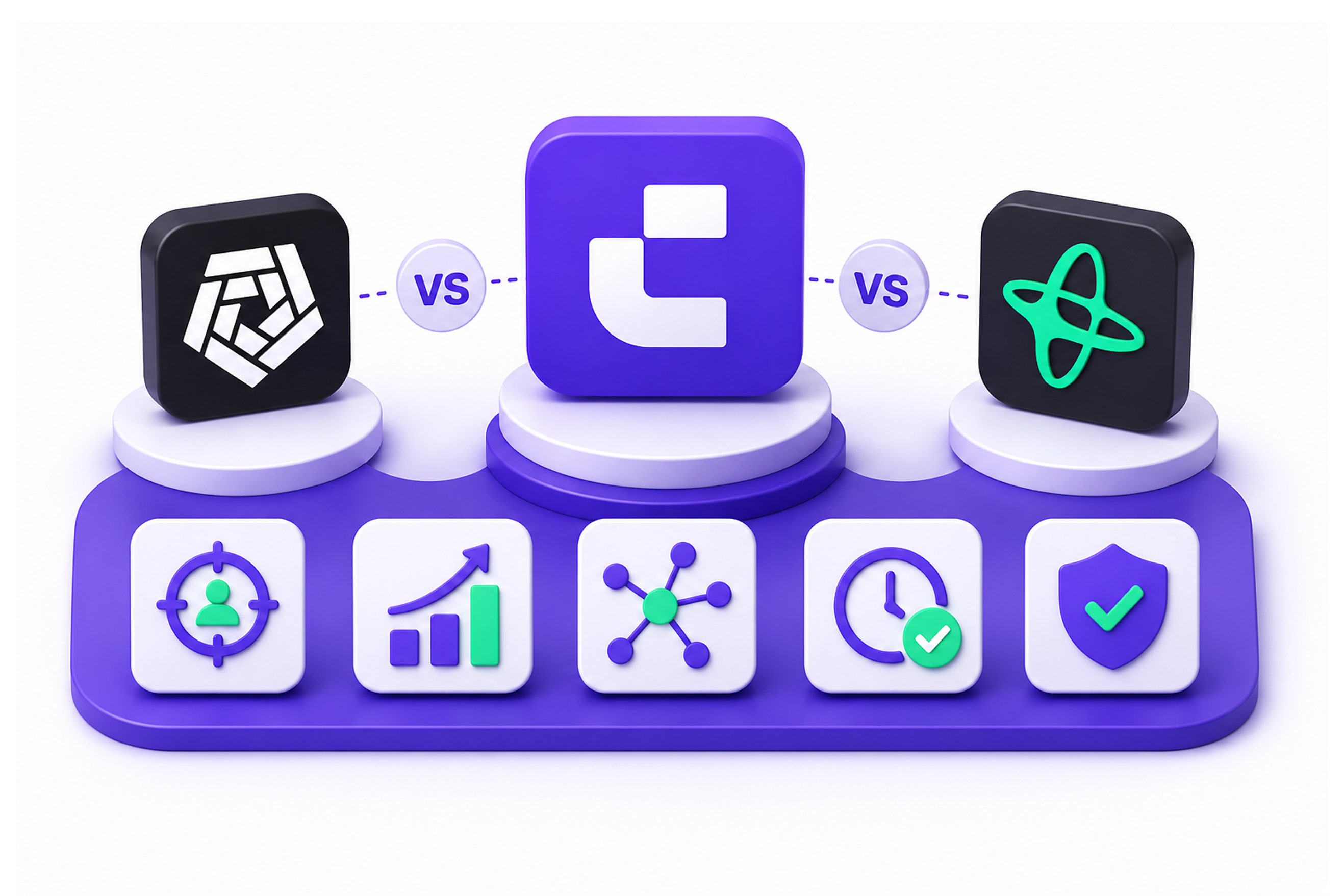
CoinW vs Arkham & Nansen: 5 Advantages for Finding Smart Money
Compare CoinW, Arkham, and Nansen for smart money discovery, on-chain analytics, copy trading, and trading execution workflows.